There are children’s books for almost every situation a child might face, from starting school to the death of a pet. But for the thousands of children living through the breakdown of a toxic or abusive family, there has been almost nothing. It is a subject most authors, and most businesses, avoid. St Helens author Ashling Podmore built hers around it.
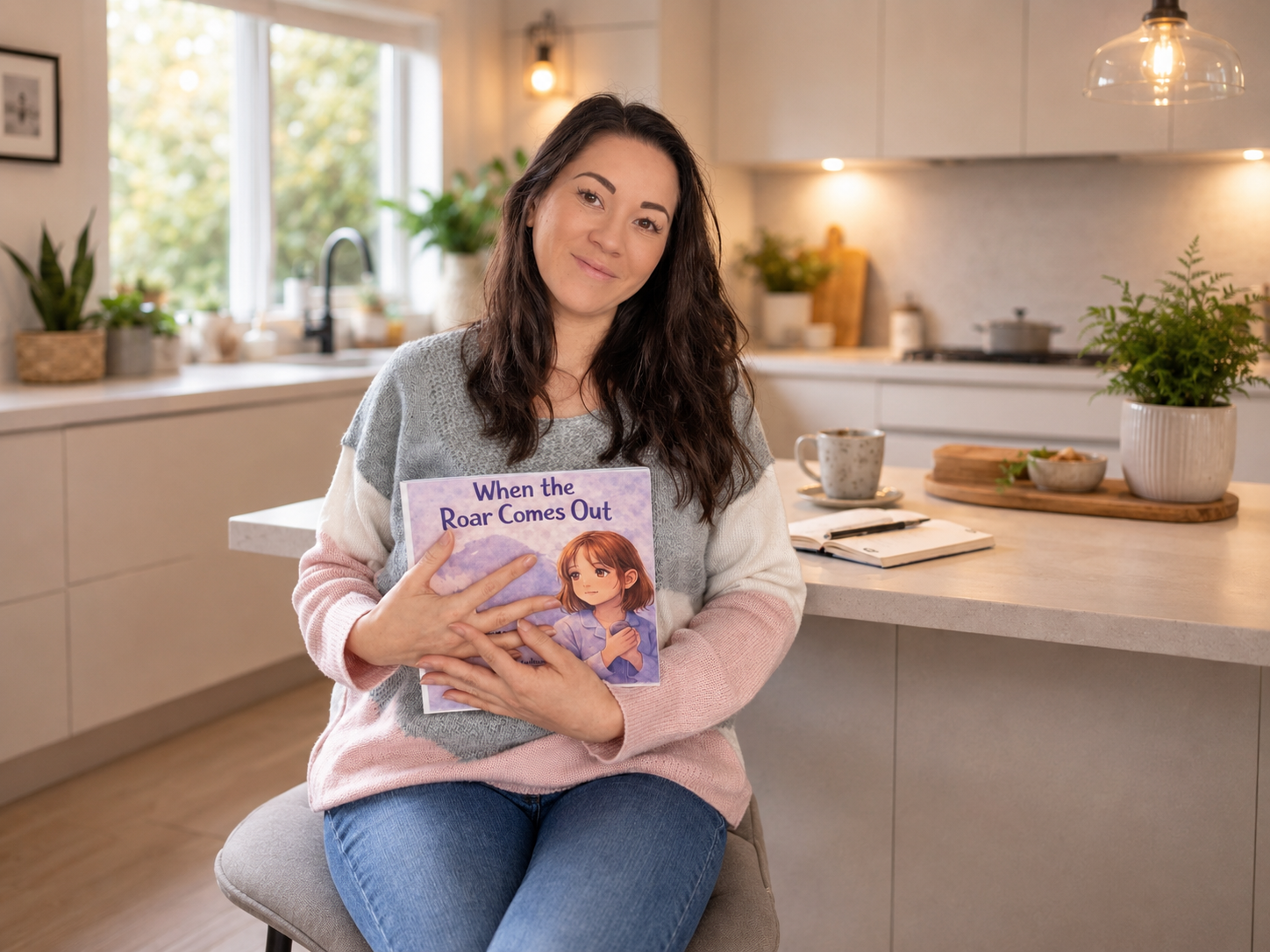
A bestselling children’s author and wellbeing educator, Podmore has created a child-centred brand tackling one of the hardest subjects there is: helping children understand toxic and controlling behaviour, without blame and without fear. The work grew out of her own experience. When she went looking for books to help her own children make sense of what was happening in their family, she found none, so she wrote them herself.
The response showed her how many families had been quietly searching for the same thing. Within three months, tens of thousands had found her work, not through advertising, but simply because nothing like it existed before. “It was never about reach,” she said. “It was a sign of how many families are struggling with this and finding no help at all.”
Her approach is deliberately innovative and unafraid. Alongside the books, she runs weekly educational video series on social media, including “Red Flag of the Week,” which teaches people to recognise the warning signs of toxic behaviour in everyday messages, and “Diary of a Cycle Breaker,” which documents the reality of rebuilding after an abusive relationship. The aim is the same throughout: to give both children and adults the language to understand what healthy and unhealthy relationships really look like.
Podmore believes that without earlier education, the patterns repeat. “Generational abuse continues unless someone interrupts it,” she said. “If we don’t teach children what healthy relationships look like, we leave them to learn it the hard way, often by living it.”
That conviction also drives her forthcoming memoir, It Will All Come Right in the End, published on 22nd June, in which she shares her own experience of coercive control. With the majority of domestic abuse going unreported, and few survivors ever speaking publicly, she hopes that telling her story will help others feel less alone and more able to speak up. But she is clear about where her focus lies. “I want to empower adults to find their voice,” she said. “But my real focus is always the children. They carry what they witness into their own futures, and they are the ones I’m determined to protect.”