Britain is running out of space and it is changing the way people live.
Across the UK, homes are getting smaller, rents are rising, and more people are staying in properties that no longer quite fit their needs. As a result, self storage is quietly becoming part of everyday life.
The industry is now worth more than £1.2 billion, with over 2,900 sites across the UK, and around 1 in 10 people considering using storage (SSA, 2025). What was once seen as a temporary solution is starting to feel like a long-term one.
The UK’s space problem is getting harder to ignore
For many people, the issue is simple. There is just not enough room.
Rising house prices and rents mean moving to a bigger property is often not realistic. At the same time, the way people use their homes has changed. Spare rooms are now offices. Dining tables double up as desks. Storage space that used to exist has slowly disappeared.
Instead of upsizing, people are adapting. And increasingly, that means finding space somewhere else.
Self storage is becoming that extra room people do not have.
Storage is no longer just for moving house
There was a time when storage was something you used for a few weeks during a move. That is no longer the case.
Now, people are using it to manage everyday life. It might be keeping furniture while redecorating, storing seasonal items, or simply making more space at home.
The shift is partly down to awareness. More people know what storage is and how it works. But it is also down to convenience. With most facilities now offering online booking and flexible contracts, it has become much easier to use.
For many, it is not about storing everything. It is about freeing up enough space to make their home feel liveable again.
Small businesses are feeling the same pressure
It is not just households struggling for space. Small businesses are too.
With more people running businesses from home, especially in e-commerce, storage has become a practical solution for managing stock. Instead of filling spare rooms with boxes, businesses can keep inventory elsewhere and access it when needed.
For start-ups and growing brands, this flexibility matters. Warehousing can be expensive and often requires long-term commitments. Storage offers a way to grow without taking on that level of risk.
It also means businesses can stay lean. They only use the space they need, when they need it.
The industry is quietly evolving
Behind the scenes, the self-storage industry has changed a lot.
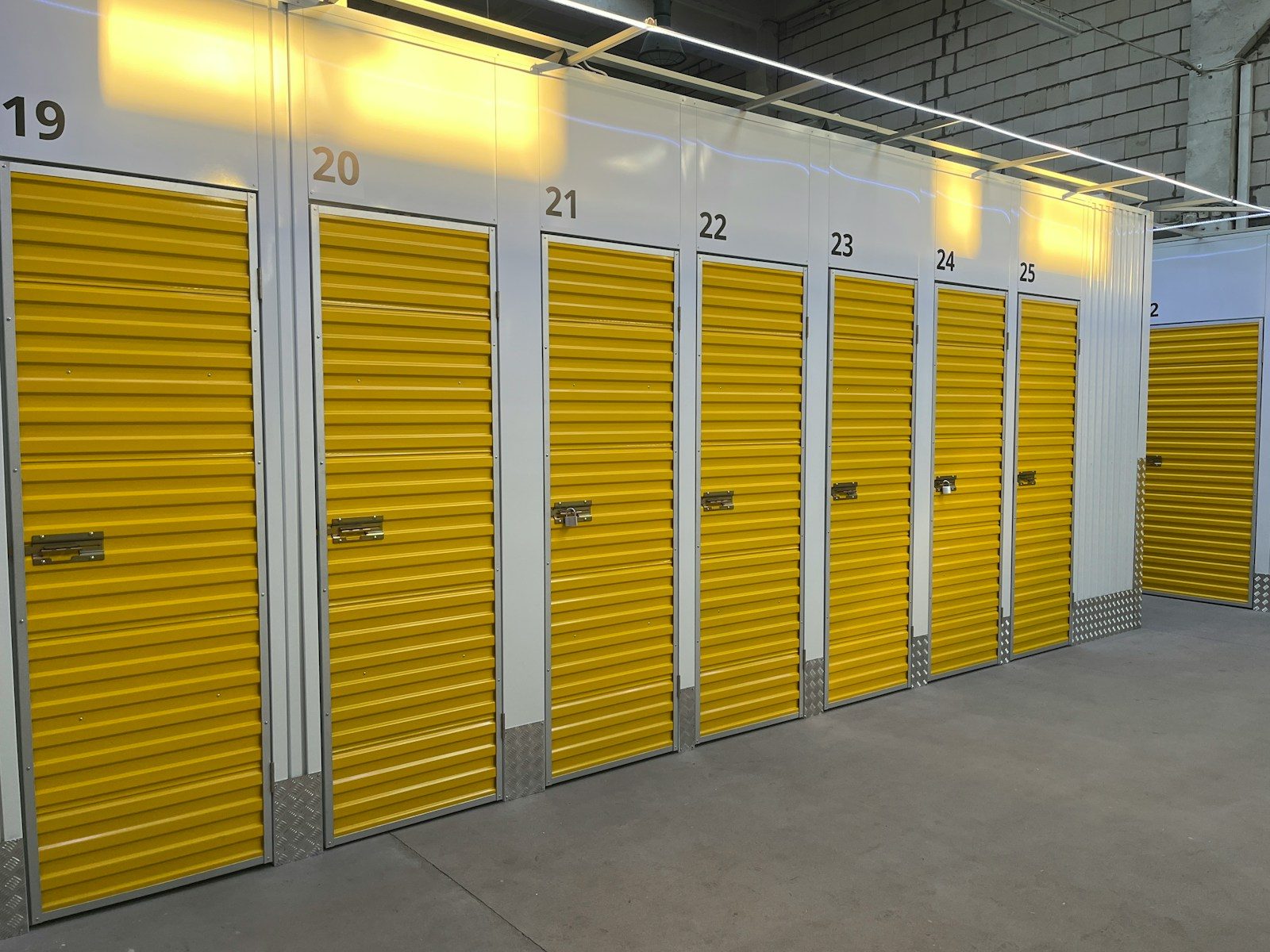
It is no longer just rows of units and padlocks. Many operators now offer digital booking, automated systems and more flexible access. This has made storage quicker, easier and more accessible.
At the same time, the amount of storage space in the UK continues to grow, showing that demand is not slowing down.
What is interesting is how normal it has started to feel. Storage is no longer seen as a last resort. It is becoming part of how people manage their space.
A spokesperson for The Box Co. said: “Storage is no longer something people only think about when they are moving house or going through a major life event. For a lot of households and small businesses, it is becoming a practical way to stay flexible when space is expensive and every square foot matters. As homes get smaller and more people run businesses from home, convenient storage is filling a very real gap.”
A simple solution to a growing problem
The growth of self storage is not just about the industry itself. It reflects something bigger.
People are being asked to do more with less space. Homes are working harder than ever. Businesses are starting from bedrooms and kitchens. And the cost of upgrading to something bigger is often out of reach.
Storage is stepping in to fill that gap.
It is a simple idea. If you do not have the space, you find it elsewhere. But as more people turn to it, it is becoming clear that self storage is not just growing. It is becoming part of how modern Britain works.