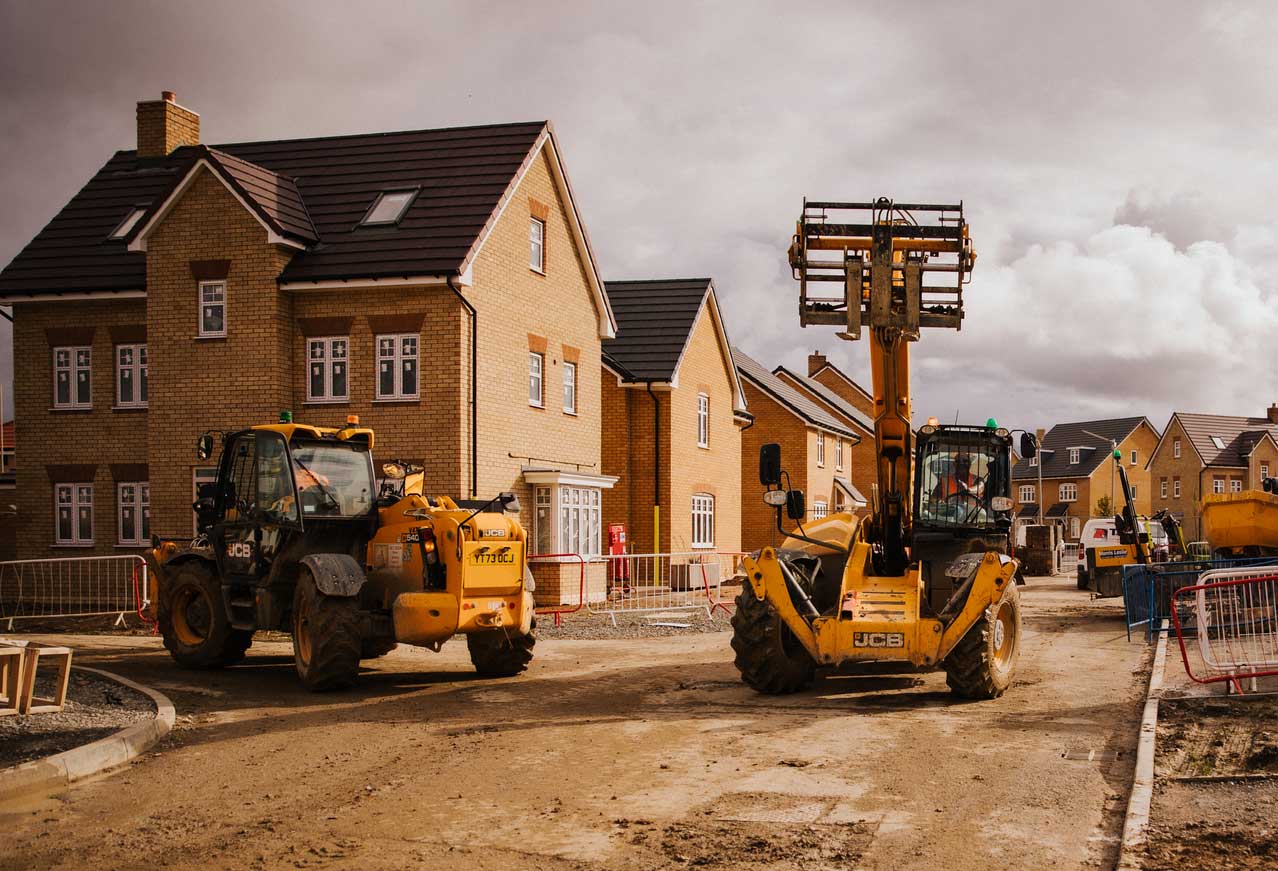

In Newcastle, MGM Construction strengthened 10 concrete columns at the Times Square multi-storey to prepare it for heavier electric vehicles, keeping the six-level car park open while work took place.
Cars have been getting heavier for decades. Campaign group Transport & Environment estimates that electric cars are typically 300kg to 400kg heavier than their combustion-engine counterparts, and the Institution of Structural Engineers’ car park design guidance now recommends a floor loading of 3 kN/m² for new car parks, up from 2.5 kN/m².
According to Roger Line, founder and CEO of Structural Repairs, any decision on charging bays should begin with an understanding of the building itself.
He said, “Installing charging bays changes where electric vehicles are likely to gather. Before choosing a location, owners need to understand whether that part of the structure can carry the loads involved.
“A building can have been in use for 40 years without a problem, but that doesn’t tell you whether it can take the vehicles parking there today. Large petrol and diesel SUVs also need to be accounted for. What matters to the structure is the total load and where it ends up.
“The reverse is also true. Carlton Street in Weston-super-Mare was only built in 2012, but engineers have since recorded structural cracking and movement there, and an engineers’ report identified a significant risk of overloading from the weight of electric vehicles. The council’s senior technical manager told councillors that, at certain points in the car park, four electric vehicles parked next to each other could start to collapse the structure. The upper floors have been closed since November 2023, and officers have recommended £2.6m of repairs to reopen them to fewer cars, against around £14.7m to demolish and rebuild.
“That warning shows why the location of heavier vehicles matters. A bank of charging bays can concentrate them in one area. Power supply and access will influence where chargers go, but the structure underneath needs attention at the same stage. An engineer should assess the proposed location before installation, while there is still flexibility to change the layout.”
He added that an assessment must also account for deterioration. Mayorhold in Northampton closed in July and the closure has since been made permanent, following a survey that found corrosion behind its damaged concrete was likely to worsen. At Carlton Street, rainwater draining into the lift shafts put the lifts out of action.
Mr Line said, “Water can get in through failed joints and waterproofing, while vehicles bring road salt into the building. Over time, the reinforcement can corrode and the concrete around it can crack and break away.
“If that has happened, the capacity recorded on the original drawings may no longer reflect what the structure can safely carry. Owners need to understand the extent of the damage, including what may be hidden beneath the surface. Repairs also need to address how water is getting in, otherwise the deterioration can continue.
“We saw that this year at a multi-storey car park at a major UK airport, where de-icing salts had reached the reinforcement and damaged stop ends were letting water bypass the drainage. It couldn’t close, so we carried out the concrete repairs and waterproofing in three weeks while drivers kept using it.”
Mr Line pointed to Newcastle as another example of work being carried out while a car park remained in use.
“The columns were strengthened and drivers could still use the building. Establishing early what work is needed gives owners more opportunity to plan how it can be delivered and manage the effect on parking spaces and income.
“Columns are only one part of a car park. Where slabs and beams need more capacity, we have carbon fibre and Kevlar reinforcement systems that can be applied to the underside of suitable concrete members. That increases their bending strength and, depending on the structure, can potentially increase the safe load they can carry.
“How much of an increase is achievable is determined through a structural assessment of the car park as a whole, including the existing concrete, columns, foundations and fire requirements. Strengthening one element doesn’t help if another part of the structure can’t take the load.
“It can provide a cost-effective alternative to replacing the structure rather than demolition, which is at the very heart of structural repair: extending the life of critical infrastructure and working towards a net zero approach.
“Plymouth City Council commissioned assessments of its five city-centre multi-storeys specifically to look at EV loading. All five were found safe for electric vehicles at the time, with strengthening possibly needed within five to ten years. That gives an owner a basis for budgeting and planning work that may be required.
“Before adding charging bays or changing how a deck is used, owners should establish whether their existing assessments cover the proposed loads. They also need to consider whether deterioration since the last assessment means those assessments need updating. Those checks can influence where chargers are installed, whether strengthening is required and how the building is maintained.