
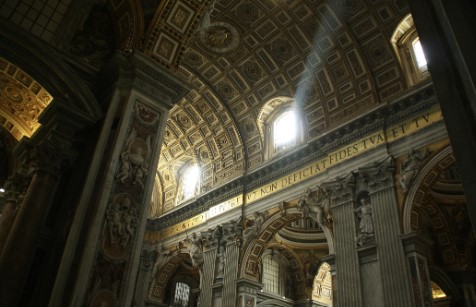
As the Vatican prepares to elect a new Pope, Hogan Assessments shares lessons from one of the world’s oldest and most structured transitions of power.
For over two millennia, the Catholic Church has handled leadership handovers under the world’s most watchful eyes. And not always without drama. From the controversial resignation of Pope Benedict XVI in 2013 — the first papal abdication in nearly 600 years — to the anticipated election of Pope Francis’ successor, the papacy offers a fascinating lens through which to view leadership succession.
While the Vatican’s processes may seem cloaked in incense and secrecy, the fundamental challenge is familiar to any business: how do you ensure continuity, culture, and confidence when the person at the top steps down? Hogan Assessments, the global leader in workplace personality assessment and leadership consulting, unpacks three powerful lessons business leaders can take from the Catholic Church’s approach to succession — and why they matter now more than ever.
1. Stability is a Leadership Asset — Not Just a Legacy
The Catholic Church has existed for over two millennia, not in spite of leadership transitions, but because it ritualises and de-risks them. Clear processes, communication rules, and an agreed power vacuum — the sede vacante — ensure institutional clarity even when there’s no one at the helm. According to PwC’s 2023 CEO Survey, 73% of global executives say they’re concerned about business continuity during leadership transitions. Yet fewer than 30% of organisations have a succession plan beyond a basic emergency backup.
The Vatican’s approach shows that even in moments of uncertainty, structured succession planning can preserve continuity and trust. Businesses should take note: proactive planning isn’t just good governance—it’s a strategic imperative. In other words, stability needs design, not luck — and that design starts long before the transition.
2. Culture Outlasts Charisma — So Codify It
Popes, like CEOs, bring different personalities to the role — from Francis’ humility to John Paul II’s activism. But it’s the Church’s core culture, embedded through centuries, that ultimately carries the weight of the mission through change. And the same holds true in business: Gallup’s 2022 State of the Global Workplace report found that 70% of employees who strongly identify with their company culture say it influences whether they stay or leave — especially during leadership change.
A strong organisational culture acts as the bedrock during transitions. It ensures that the essence of the company remains intact, even as leadership evolves. For companies facing leadership turnover, investing in cultural resilience may be just as important as picking the right successor.
3. Consensus Isn’t Slower — It’s Safer
While the conclave may appear secretive, it’s a masterclass in consensus-building — no new Pope is elected without a two-thirds majority. This rule, unchanged since 1179, ensures wide buy-in before a new leader is installed. Compare that to Egon Zehnder’s CEO Succession Study, where only 46% of board members believe their selection processes are sufficiently rigorous.
Building consensus may take time, but it fosters commitment and clarity. In leadership transitions, a well-considered choice is always better than a hasty one. When it comes to choosing the next person to lead, the process can be just as defining as the person themselves.
As the world prepares to meet the next Pope, leadership experts and boardrooms alike would do well to take notes. After all, whether you run a multinational company or a 1.3 billion-member faith community — how you plan the handover can define the next chapter.