
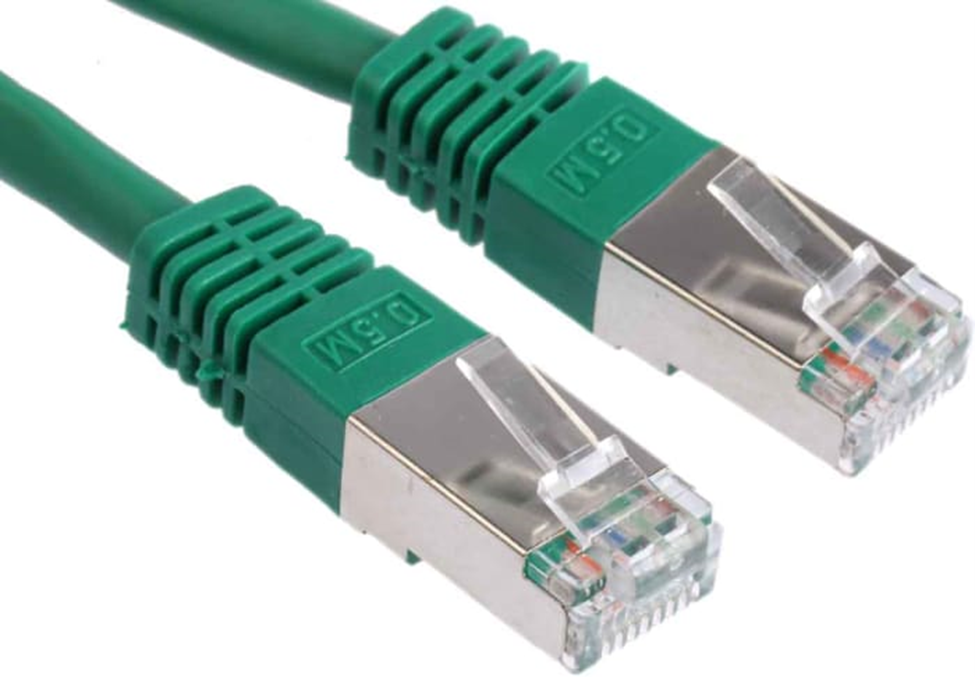
Ethernet connections have been around a while, but they remain a popular choice when looking for reliability and high transfer speeds. Ethernet cables are quite efficient and even more cost-effective to use.
Ethernet cables connect either LAN (local area network) or WAN (wide area network) options. Using hubs and switches, data is transferred without signal interruptions that could plague wireless connections. There are some major benefits to using ethernet, especially those listed below.
Speed
The single biggest reason to use ethernet cables has to do with transfer speed. For situations where a higher data transfer speed is required, an ethernet cable is the best option. Where technology is critical for daily operations, ethernet cables are not only more reliable but a lot better and faster when transmitting data.
Ethernet connections are capable of 10Gb+ speeds over intermediate distances. A combination of CAT7 cabling and 10 Gb ethernet will allow data to fly from place to place. For businesses, that high data transfer speed will become an invaluable part of day-to-day operations. All with a simple connection between your internet connection and the devices they need to work with.
Data Transfer Quality
While speed is an important part of using ethernet cables, there is one more primary factor to consider. Data transfer speeds are fine and there are some wireless connections that operate at high speeds. That said, there can be data transfer quality issues when using wireless versus a wired ethernet connection.
Ethernet is ideal because it holds up much more efficiently against electromagnetic noise. That noise can cause interruptions to the data transfer process, causing a dip in signal quality. That loss in quality can degrade the quality of the data being transferred or stop the transfer altogether. Ethernet also doesn’t compress files in the same way, which means no pixelation when an image is transferred.
Data Security
In this day and age, the transfer of data is critical. Also critical is the ability to keep that data safe when transferring from one place to another. For businesses that handle critical and confidential information, like banks, there is no room for error when it comes to handling that data. For that reason, hard-wired ethernet connections are more ideal to protect the information being transferred.
Ethernet connections offer a much better level of data security when compared to Wi-Fi or any other type of wireless connection. The reason is that Wi-Fi leaves an open connection to be accessed. Ethernet does not, which means that there can be no outside access while data is being transferred. Ethernet also displays what users or devices are using that data. Should an unauthorized user appear, it becomes easier to identify them and get rid of their access.
Cost-Effective
At the end of the day, cost is one of the most important considerations to make. Whether for business or personal use, we are all looking to limit the costs of keeping a reliable internet connection. The good news is that ethernet cables are quite cost-effective, making it possible to connect as many devices as need be without having to break the bank on cabling.
There is a major soft on equipment cost while also providing serious value on that investment. More importantly, those signals can be transferred over longer distances compared to Wi-Fi. The latter can generally only go up to about 300ft while the former can go for miles. Ethernet connections provide better overall service for a much lower cost compared to wireless connections. Sure, there may be some flexibility issues but they are largely negligible when compared to wireless.